This comprehensive guide dives into the essentials of selecting an organic mattress, with a clear eye on the practical realities of comfort, certifications, and sustainability. We focus on Naturepedic and Vispring as prominent players in the organic and natural-materials space, comparing their approaches to materials, durability, and user experience. If you’re weighing eco-friendly options without bias toward sales, this article offers you a balanced framework to evaluate feel, performance, and long-term value.
An organic mattress is defined not merely by the absence of synthetic foams but by a holistic approach to materials, manufacturing processes, and certifications. When a mattress earns an organic or near-organic badge, it typically demonstrates a commitment to minimizing chemical exposure, improving air quality, and supporting sustainable farming practices. The certifications most often encountered include global standards such as GOTS (Global Organic Textile Standard) for textiles and GOLS (Global Organic Latex Standard) for latex components, along with other eco-labels that speak to low chemical load, responsibly sourced materials, and transparent supply chains.
These credentials matter because they influence how a mattress feels over time, how it regulates temperature, and how it handles moisture. Organic cotton, natural latex, wool, and plant-based components each bring different properties to sleep surfaces. The goal is to align the material profile with your comfort preferences while maintaining a cautious eye toward environmental impact and long-term durability.
Naturepedic has built a reputation around organic cotton and safe, thoughtfully engineered layers. Their mattresses often feature organic cotton fabric, a non-toxic fire barrier, and a layering approach that emphasizes breathability and durability. The company’s focus on eliminating common chemical irritants—like polyurethane foams and certain flame retardants—appeals to sleepers who want a clean, health-forward sleep environment.
Key distinctions with Naturepedic often come down to material choices and flexibility in comfort profiles. For example, some Naturepedic models emphasize pure organic cotton comfort layers and wool or latex alternatives, aiming to produce a natural, crisp sleep surface without sacrificing support.
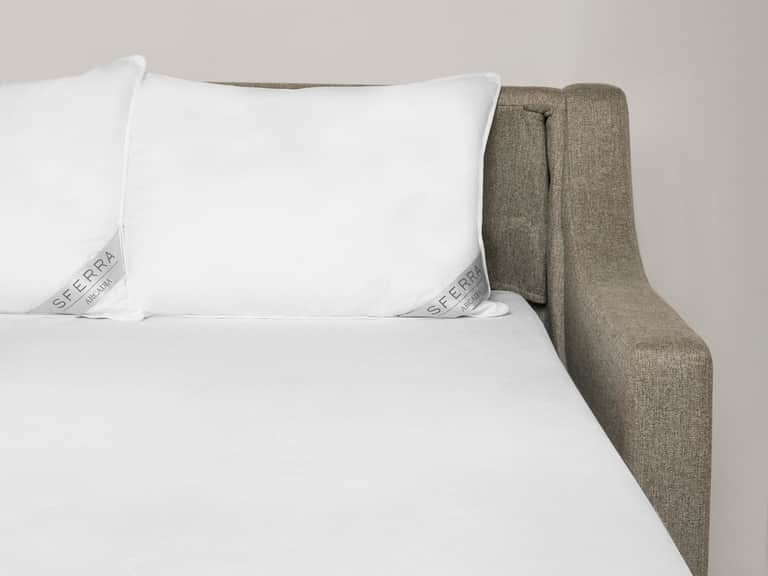
Vispring is renowned for its commitment to natural materials in traditional pocket-spring architectures, with a focus on wool, cashmere, cotton, and natural latex components. The brand emphasizes handcrafted detailing and bespoke comfort profiles, often combining sumptuous feel with robust support systems. Vispring’s approach blends classic upholstery methods with modern understandings of ergonomics, aiming to deliver long-lasting, breathable sleep experiences.
The result is a mattress line that prioritizes natural fillings and a visibly premium construction. For sleepers who value a solid, cool, and luxurious surface, Vispring offers a compelling option that leans into tactile comfort and enduring build quality.
When comparing organic mattresses, certifications act as the most reliable signal of integrity. Look for independent verification for the layers and components, such as:
Material choices influence heat management, moisture handling, and overall sleep dryness. Wool acts as a natural temperature regulator, helping you stay cool in warmer nights and warmer during cooler periods due to its wicking properties. Natural latex offers buoyant support with a distinctive responsiveness, while organic cotton adds a soft, breathable cover that contributes to a fresh feel across seasons.
Naturepedic’s lines emphasize organic cotton, wool, and latex variants. The choice between cotton and latex constructions often comes down to personal preference for contour, responsiveness, and temperature control. An organic cotton comfort layer can provide a crisp, breathable surface that remains comfortable across a wide spectrum of climates. If you prefer more “give” and a spring-like response, a latex layer can offer buoyancy and consistent pressure relief, still within an organic framework.
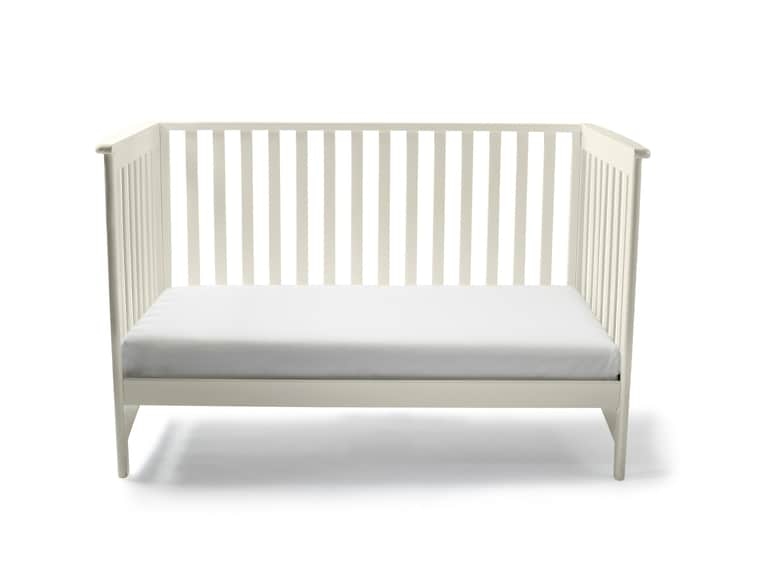
In terms of safety and environmental considerations, Naturepedic’s emphasis on non-toxic materials and transparent ingredient disclosure aligns with consumer demand for clean sleep products. For parents shopping for children, Naturepedic has notable options designed with crib and toddler mattresses that uphold similar safety and organic standards.
Vispring mattresses showcase natural fillings—wool, horsehair, cotton, and latex—arranged in layered constructions that emphasize airflow, pressure distribution, and a balanced feel. The craftsmanship behind Vispring often highlights the careful selection of materials that age gracefully, maintaining comfort while avoiding the slump that can occur with less robust fabrics.
If you are sensitive to heat or moisture, the natural properties of these fillings can be a meaningful advantage. The wool and latex combinations commonly found in Vispring products tend to offer a springy, breathable experience that remains comfortable across seasons.
To translate brand differences into a straightforward shopping approach, consider three practical dimensions: firmness, temperature regulation, and allergy considerations. Your choice should reflect your sleep position, body weight, and sensitivity to materials.
A practical approach is to test in-store with a back-to-back comparison, focusing on how each surface responds to your weight, sleep position, and personal comfort signals. If shopping online, seek detailed specifications, independent reviews, and information about return policies to ensure you can trial the mattress in real-world conditions.
This checklist can help you compare options efficiently and reach an informed decision that aligns with health, comfort, and environmental values.
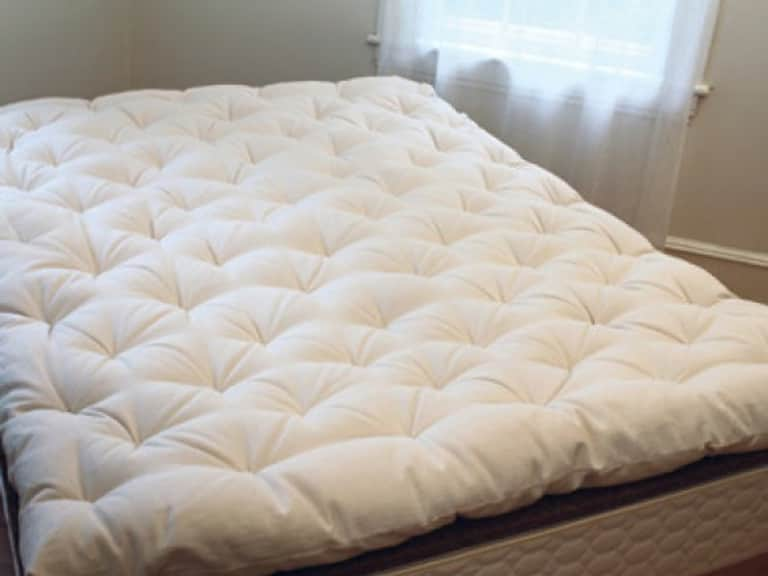
Within the eco-conscious space, the Savvy Rest Pastoral Wool Mattress offers a latex-free option that centers organic wool batting inside a tufted organic cotton outer cover. This build emphasizes natural temperature regulation, breathability, and a latex-free profile for sleepers with sensitivities.
The Pastoral mattress is designed as a compact, versatile surface that can work in a variety of environments—from guest rooms to small apartments—while maintaining a high standard of craftsmanship. Its wool core breathes, wicks moisture, and supports a cooler night’s sleep, aligning with the organic, low-chemical ethos of the Naturepedic and Vispring conversations.
Dimensions and weight vary by size, with twin, twin XL, full, queen, and king variants designed to fit standard foundations. If you’re seeking a latex-free, organic option that emphasizes traditional materials and simple, honest construction, this model is worth examining in person.
While Naturepedic’s broader lineup includes multiple organic configurations, the lightweight organic cotton crib mattress remains a reference point for the brand’s approach to safe, minimal-chemical sleep surfaces. For adults evaluating organic cotton and natural materials, exploring Naturepedic’s adult-oriented lines can illuminate how their design philosophy translates across product families.
In practice, you’ll want to assess whether the lighter construction aligns with your desired level of support, edge feel, and temperature regulation. The brand’s emphasis on transparency and non-toxic components makes it a solid touchpoint for shoppers prioritizing health-forward sleep products.
Organic and natural-materials mattresses represent a meaningful commitment to healthier sleep environments and environmental stewardship. When comparing Naturepedic and Vispring, shoppers benefit from a structured approach: identify your comfort target, confirm certifications, understand the material mix, and evaluate how the surface performs in real-world conditions.
A balanced decision includes considering not only personal comfort but also long-term durability and the broader implications of material sourcing. The brands discussed here exemplify different paths to organic sleep: Naturepedic often prioritizes clean-cotton comfort with safety-first design, while Vispring leans into traditional luxury with natural fillings and expert craftsmanship.
Whether you’re shopping for yourself, a family member, or a caregiver seeking the best sleep solution, the most reliable compass remains a thoughtful blend of material knowledge, independent certifications, and a willingness to test surfaces in-store or through a trusted return policy.
For readers seeking to extend their understanding, consult independent reviews, credible health and consumer safety organizations, and brand certifications. Always verify the latest certification status directly with manufacturers or certification bodies, as standards and product lines update over time.
This article presents a balanced, non-promotional perspective, focusing on how organic materials, certifications, and sleep science intersect to influence comfort, health, and sustainability in mattress selection.
The following product is aligned with the organic and natural-material focus discussed in this guide. It represents a real-world option that fits the principles of safe, natural sleep surfaces.