Bedding • Mattress comfort • Care
Wool Pads and Toppers: Comparing Loft, Care, and Temperature
A wool layer can make a bed feel a little softer, a little drier, or simply more comfortable through changing seasons. The details matter: fill, thickness, construction, and cleaning instructions all influence how a pad or topper performs in everyday use.
Published October 18, 2026
Wool has a particular appeal in bedding because it offers cushioning without necessarily feeling plush or deeply enveloping. Its fibers can absorb and release moisture, and a wool-filled layer may help moderate the immediate sleep-surface climate. That does not make every wool mattress pad or topper cool for every sleeper, nor does it guarantee a particular sleep outcome. Comfort depends on the complete bed, the room, bedding choices, personal preference, and how much insulation a person likes.
The first question is practical: are you trying to protect a mattress, add a touch of softness, or make a meaningful change to the feel of the bed? A thin fitted pad and a generously filled topper are not interchangeable. They may both contain wool, but their loft, construction, care demands, and effect on the mattress can be quite different.
Pad or topper: what is the difference?
There is no universal thickness at which a pad officially becomes a topper. Product naming varies, so it is more useful to look at the construction and the intended effect. A mattress pad is often a relatively modest layer designed to sit over the mattress, add a small amount of cushioning, and provide a washable or replaceable surface. A topper is generally chosen to alter the comfort of the bed more noticeably, though its actual impact depends on its fill, loft, and design.
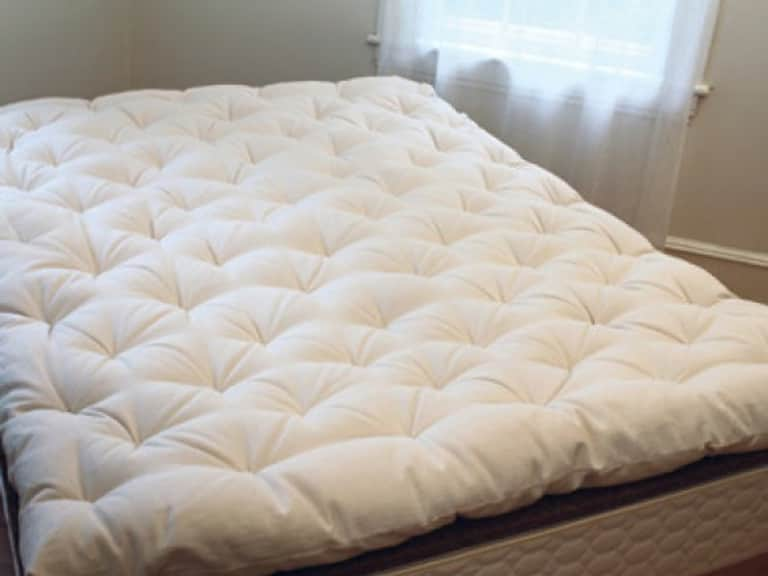
A fitted wool pad typically has a fabric shell and wool batting held in place by quilting or another form of construction. Elasticized sides or a fitted skirt help it stay put. Because the layer is relatively restrained, it is often a sensible consideration for someone who likes the mattress but wants a softer surface or a different feel against the sheet.
A thicker wool topper may add more loft and create a more noticeable layer between the sleeper and mattress. It can soften the first impression of a firm surface, but it will not necessarily change the underlying support characteristics of the mattress. A topper also adds bulk, may require deeper sheets, and can be more cumbersome to air or clean. Check the product’s stated height and construction rather than relying on the word “topper” alone.
A quick way to choose
- Want subtle cushioning? Start by comparing a lower-loft, fitted wool pad.
- Want a more noticeable surface change? Look at a thicker, higher-loft layer and verify its dimensions.
- Need spill protection? Check whether the product is actually waterproof; wool fill by itself is not a waterproof barrier.
- Need straightforward laundry care? Read the full care label before choosing. “Washable wool” still has specific requirements.
Loft: the feel of the layer
Loft describes how much thickness and airiness a filled layer has. In practical terms, loft helps determine whether the bed feels barely different or noticeably cushioned. A flatter wool pad can offer a light buffer between the mattress and sheet. A fuller layer may feel softer and more substantial, although greater thickness does not automatically mean greater comfort or better support.
Wool batting is not the same as a loose pile of fluffy fibers. It is commonly formed into a more orderly layer, and quilting or baffles may help keep the fill distributed. When comparing products, inspect how the batting is secured and whether the construction is designed to limit shifting. Evenly distributed fill helps the surface feel more consistent; compressed areas or lumps can make the bed feel uneven.
Consider your current mattress before adding loft. If the mattress is already soft, a thick topper may create a surface that feels too cushioned for your preference. If it is firm, a modest layer may soften initial pressure without turning the bed into a different kind of mattress. People who share a bed may have different comfort needs, so it can help to talk through the desired change before committing to a full-bed layer.
Loft can also affect fit. A new layer increases the total height of the bed, and a deep mattress combined with a topper may need deeper fitted sheets. Measure the mattress, include any existing pad or protector in the total, and compare that figure with the sheet’s pocket depth. A secure fit matters: sheets that pull loose or compress a topper can become a nightly nuisance.
Temperature and moisture: what wool can—and cannot—do
Wool is often valued for its capacity to interact with moisture in the bedding environment. Wool fibers can take up water vapor and release it as surrounding conditions change. This can make wool an appealing option for people who dislike a damp or clammy feeling at the sleep surface. The fiber’s natural structure also holds air, which contributes to insulation.
Those qualities should be understood as part of a system, not as a promise that a wool pad will keep every sleeper cool. A person’s temperature comfort is affected by room temperature, humidity, pajamas, sheets, duvet weight, mattress materials, and individual differences. A thick wool layer may feel warm to someone who prefers a cool bed, even if the fiber manages moisture effectively. Conversely, a thinner pad may provide a more balanced feel for someone who wants gentle cushioning without substantial insulation.
Pay attention to the cover as well as the fill. A breathable cotton cover can contribute to the overall feel of the bedding, while a tightly quilted design or additional layers may change how heat and moisture move through the finished product. Product descriptions can identify materials, but they cannot predict precisely how a particular person will sleep. If you tend to overheat, compare the complete construction and consider whether a thinner wool layer is more suitable than a high-loft option.
It is also helpful to separate moisture management from waterproof protection. Wool may absorb some moisture, but that does not make a wool pad a reliable barrier against spills, perspiration, or accidents. If protecting the mattress from liquid is important, look specifically for a waterproof protector and confirm its materials and care instructions. A wool topper or pad and a waterproof protector serve different purposes, and combining layers may change the feel of the bed.
Construction details worth checking
Two wool pads with similar descriptions can behave differently because of their fabric, fill amount, quilting, edge design, and fit. Before choosing, look for straightforward answers to a few questions: What is the cover made from? What type of wool fill is used? Is the fill quilted or otherwise secured? How deep are the fitted pockets? Is the product intended to be washed at home, aired, spot-cleaned, or professionally cleaned?
Organic certification may be relevant to shoppers looking for information about how fibers were produced and processed. Certification terms are not a substitute for understanding comfort, fit, and durability, however. Read the product’s stated specifications and do not assume that “natural,” “organic,” “hypoallergenic,” or “temperature regulating” means identical performance across brands or sleepers.
A fitted design can be useful when a pad needs to stay in place through regular movement. Deep pockets may accommodate thicker mattresses, but the measurement should still be checked against the actual mattress profile. If a layer is too shallow, the corners may pull away. If it is much too loose, it can shift or wrinkle. These details are especially important when the mattress already has a pillow-top or another padded layer.
Care: washable does not mean carefree
Wool bedding can be durable, but care instructions deserve attention before purchase. A label that says washable should be read in full: it may specify cold water, a gentle or wool cycle, a particular detergent, low heat, or air drying. Some wool products can be machine washed; others are not intended for routine laundering. The exact construction and treatment of the wool influence what is appropriate, so general advice should never replace the manufacturer’s directions.
For a machine-washable wool pad, avoid assuming that ordinary hot washing or vigorous agitation is harmless. Wool can shrink, felt, or lose its original feel when exposed to unsuitable heat and friction. Use only the detergent and cycle recommended for that specific item. If a product requires a large-capacity machine, follow that guidance too: overfilling a household washer may prevent the pad from moving and rinsing properly.
Drying deserves equal care. High heat may damage fibers, shrink the cover, or affect the shape of the finished pad. Follow the stated temperature limit, and make sure the item is thoroughly dry before putting it back on the bed. Damp bedding stored or layered without adequate drying can develop an unpleasant odor. If the care instructions recommend air drying, allow enough time and airflow for the whole layer to dry, not just the surface.
Not every mess calls for a full wash. A removable, washable cover or separate protector can reduce how often the filled layer needs to be cleaned. For a small spot, follow the product’s stain-care directions and avoid saturating wool unless the manufacturer permits it. Regular airing and careful handling can also help bedding feel fresh between washes, but neither replaces cleaning when it is genuinely needed.
A washable wool pad in context
The Suite Sleep Washable Wool Mattress Pad illustrates the combination some shoppers seek: an organic cotton cover, washable wool fill, and a fitted design with 18-inch pockets. Its care information calls for cold-water washing with a natural detergent and low-heat tumble drying or hanging to dry. The product is described as machine washable and oversized to allow for shrinkage, details worth weighing alongside mattress fit and preferred loft.
That example is not a universal template for every wool pad. Before choosing any product, compare its pocket depth with your mattress, review its complete care instructions, and make sure the described layer matches your goal. A washable construction can be convenient, but the size of the pad may make laundering and drying more involved than washing a standard sheet. If home laundry capacity is limited, that practical point may matter as much as the material itself.
Wool compared with other bedding layers
Wool is one of several materials used in mattress pads and toppers. Cotton-filled pads may offer a familiar, breathable feel and relatively simple care depending on construction. Down or down-alternative layers can feel loftier and softer, but their warmth, maintenance, and response to compression vary. Latex toppers are generally chosen for a more substantial change in cushioning and resilience rather than for the light, quilted feel of a pad. Synthetic foam layers also differ in contouring, heat retention, and cleaning needs.
These are broad material tendencies, not guarantees. A thin wool pad can feel less substantial than a thick cotton pad, and a quilted design can matter as much as the fill. When comparing options, focus on the exact layer you are considering: height, fill amount if provided, fabric, attachment or fitted style, and care instructions. The best comparison is between products with similar purposes, not simply between the names of their fibers.
How to decide what suits your bed
A short checklist can help turn a broad search into a practical decision. Start with the problem you want to solve. If the mattress is comfortable but feels slightly firm or cool, a modest pad may be worth comparing. If the surface feels substantially too firm, a thicker layer may offer a more noticeable change, though it cannot correct every issue with an old or unsuitable mattress.
- Define the desired change. Choose between light cushioning, a larger comfort adjustment, and mattress protection.
- Check the mattress dimensions. Include existing layers when calculating total height and sheet-pocket needs.
- Compare loft and construction. Look for details about fill, quilting, cover fabric, and how the pad stays in place.
- Match the layer to your temperature preference. Consider the full bedding setup, not wool in isolation.
- Read care instructions before buying. Confirm washing, drying, spot-cleaning, and any detergent restrictions.
- Be clear about protection. A wool-filled layer is not automatically waterproof or a substitute for a dedicated protector.
Frequently asked questions
Does a wool mattress pad make a bed cooler?
It may help some sleepers feel less clammy by interacting with moisture, but it is not a cooling device and cannot promise a cooler night. The pad’s thickness, cover, mattress, room, and other bedding all influence the result. A high-loft layer may feel warmer to someone who is sensitive to insulation.
Is a wool topper a good way to fix an uncomfortable mattress?
It may change the surface feel, but it does not replace the support structure of the mattress. A topper can make a firm surface feel softer; it may not resolve sagging, uneven support, or other underlying problems. Consider the source of the discomfort before adding another layer.
Can all wool pads go in the washing machine?
No. Care varies by product, including by fill, quilting, and finishing. Follow the specific label rather than general assumptions about wool. Even a washable pad may require a gentle cycle, cool water, particular detergent, and low-temperature drying.
Will a wool pad protect a mattress from spills?
Not necessarily. Wool can take up moisture, but that is different from a waterproof barrier. If liquid protection is a priority, select a product specifically described as waterproof and check how it may affect breathability and the feel of the bed.
The bottom line
Wool pads and toppers are best compared by what they actually offer, not by the fiber name alone. Loft shapes the degree of cushioning; construction affects how evenly the fill sits; and care instructions determine whether the layer fits your household routine. Wool’s moisture-related qualities may appeal to people who prefer a less clammy sleep surface, but warmth and comfort remain personal and depend on the entire bed.
For a subtle adjustment, a fitted wool mattress pad may be enough. For a more pronounced change, compare the height and construction of thicker toppers and confirm that your sheets will still fit. In either case, measure first, read the care label, and distinguish comfort from waterproof protection. Those small checks can make the difference between a thoughtful bedding addition and a layer that is difficult to live with.
This article offers general bedding information, not medical advice. Persistent sleep problems or discomfort may have causes beyond bedding; a qualified healthcare professional can help assess concerns.