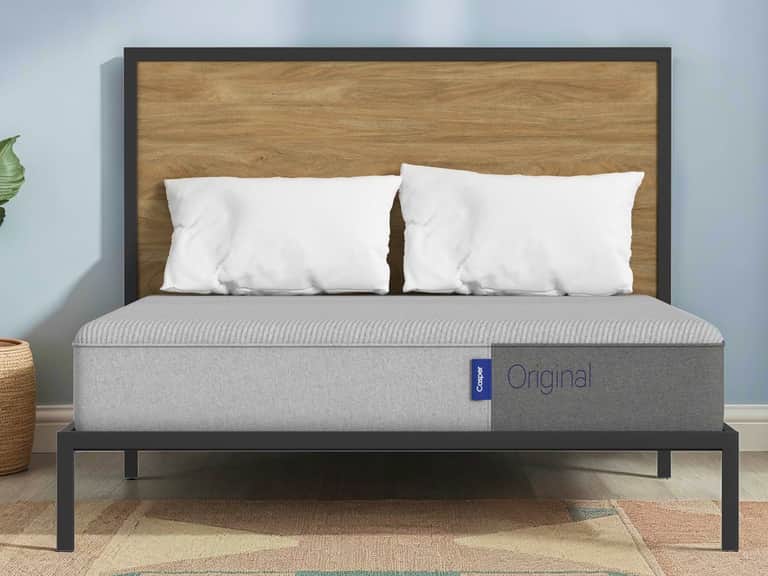
Foam mattresses are crafted to provide durable support and conforming comfort, making them suitable for a variety of sleep preferences. The Original Mattress emphasizes balanced contouring and pressure relief, while maintaining spinal alignment through targeted support zones. This type of mattress often features breathable foam layers to promote temperature control and long-term comfort.
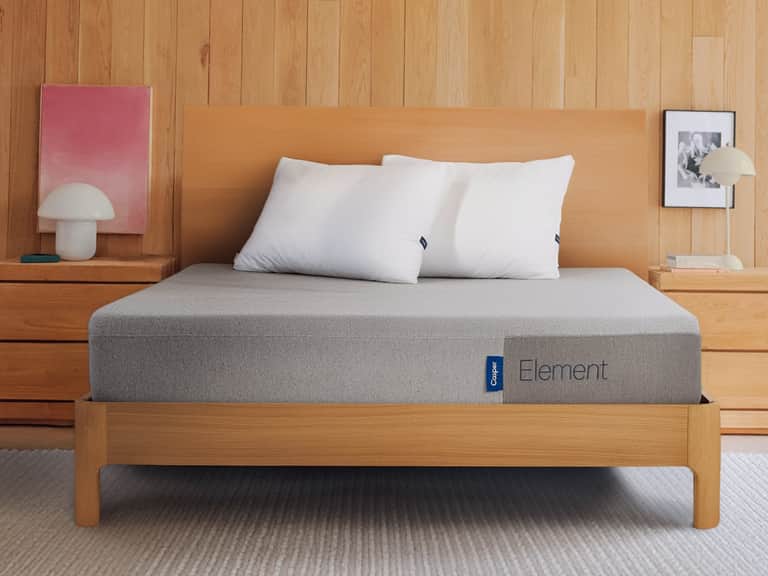
In contrast, the Element Mattress explores a more responsive foam construction that adapts to movement and weight distribution. Its materials aim to reduce motion transfer, which can benefit shared sleeping environments. Key features may include unique zoning, edge support, and a progressively supportive feel for different sleep positions.
Foam mattresses commonly utilize multilayer systems, combining memory foam, polyfoam, and transitional foams to balance softness and support. These layers work together to relieve pressure points at the hips and shoulders while maintaining overall train of support along the spine. Proper firmness selection is important for alignment across sleeping styles.
Important benefits of foam mattress designs include durability, improved contouring, and potential allergy-friendly properties when using hypoallergenic covers and low-emission foams. Temperature regulation is often addressed through open-cell constructions, breathable covers, and occasionally gel-infused foams to optimize comfort across seasons and climates.
Understanding product features such as density, indentation load deflection, and foam layering helps clarify differences between Original Mattress and Element Mattress. Consumers can evaluate compatibility with bedding accessories, including sheets and pillow configurations, while considering room environments like nursery setups and overall sleep wellness goals.
 Mattresses