Wool comforters are designed to offer natural temperature regulation and breathable warmth, making them suitable for varying seasons. The characteristic wool fibers wick moisture, helping to maintain a comfortable sleep environment. In this category, materials, fill power, and weave structure influence loft, warmth, and overall thermal balance for different sleep preferences.
Key features to consider include fiber origin, wool type (such as Merino or Highland wool), fill weight, and fabric construction. These elements affect insulation, softness, and durability. Understanding how wool responds to humidity and body heat can guide choices for sleepers seeking a hypoallergenic, moisture-managing option within bedding systems.
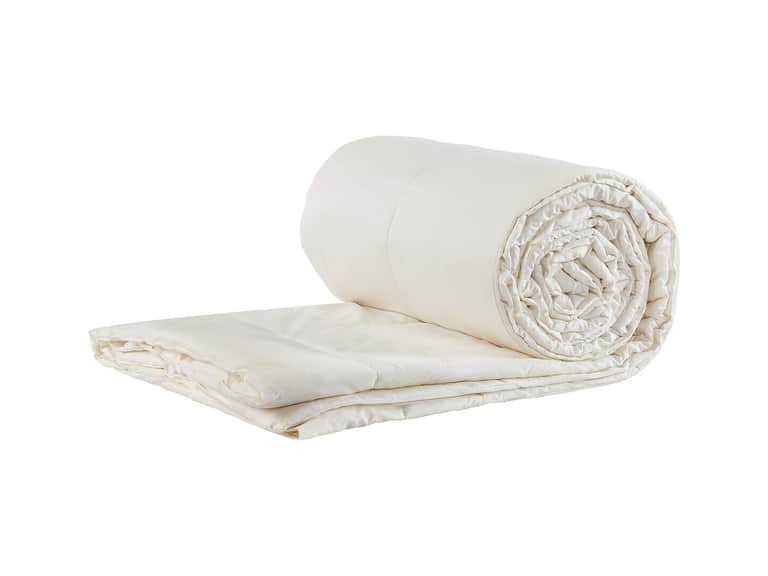
The Sleep and Beyond myComforter line showcases variants that balance lightweight warmth with cloud-like loft. Notable attributes include felted wool cores, overfilled and baffle-box constructions, and breathable outer fabrics. Functional benefits span temperature stability, reduced night sweats, and a cozy feel without excessive bulk.
Wool comforters pair well with a range of sleep setups, from layered cotton sheets to organic mattresses and crib mattresses. Compatibility with pillow choices and bedding accessories supports a holistic approach to sleep quality. Users can compare comforters by warmth rating, care requirements, and return-to-shape performance to suit personal preferences.
In addition to warmth and texture, wool’s durability and natural resilience contribute to long-term comfort. Consider care guidelines, such as dry cleaning or gentle washing where appropriate, to preserve loft and fiber integrity. This category emphasizes practical knowledge about maintenance, allergen considerations, and the role of wool bedding in a balanced sleep environment, alongside related terms like bedding, pillows, sheets, and organic options.
 Bedding